
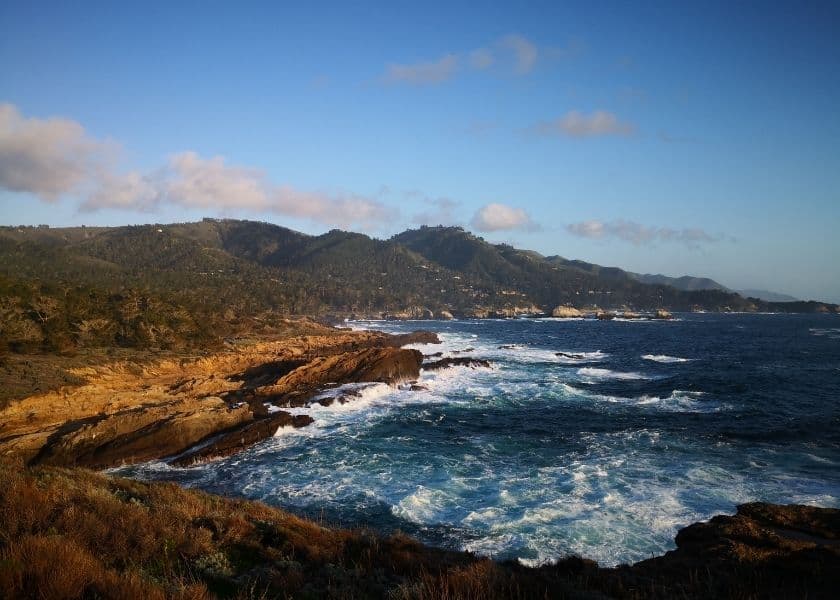
Monterey hiking trails wind through some of Northern California's most striking coastal terrain, offering options for every kind of adventurer. In fact, Monterey remains an outdoor lover's wonderland all year round. Nature lovers, fresh air breathers, curious hearts, and adventurous souls all find something here.
But fall brings a particular kind of magic to this stretch of coastline; the weather cools, and the crowds thin. The trails start to feel like your own personal discovery. It's the ideal season to lace up your boots and head outside.
Andrew Molera State Park, Big Sur
Andrew Molera State Park greets travelers just south of town as they head into Big Sur. It lacks the dramatic coastline of some neighboring parks. The park offers a short, rewarding walk to the beach with minimal effort and often sees fewer visitors than others nearby, making it a peaceful stop along the way. The trail suits hikers who want a quick taste of Big Sur without committing to a full day. It also makes an easy first stop before a longer coastal drive south.
Garland Ranch Regional Park, Carmel Valley
Head inland next, and Garland Ranch Regional Park serves as Carmel Valley's central hub for hiking. The park also draws horseback riders, birders, and geocachers throughout the year. Mountain biking stays limited to the Cooper Ranch Loop.
Horseback riding, meanwhile, is welcome on most other trails. Stop by the visitors center for trail maps and guidance from knowledgeable park rangers. They can answer nearly any question about the grounds.
Trails at Garland Ranch suit every skill level, ranging from nearly flat paths to steep, demanding climbs. The Buckeye Nature Trail is an easy route lined with signs explaining the park's natural features. It's a fine choice for a slower morning outdoors. Hikers looking for a bigger challenge turn to the East Ridge Trail or Snively's Ridge Trail.
Both are steep climbs to the beauty of Carmel Valley and the Ventana Wilderness. These Monterey hiking trails wander alongside Garzas Creek and through Rumsien Indian habitation sites. Nineteenth-century homesteading and logging settlements line the way, too, giving every walk a layered sense of history.
Elkhorn Slough Reserve
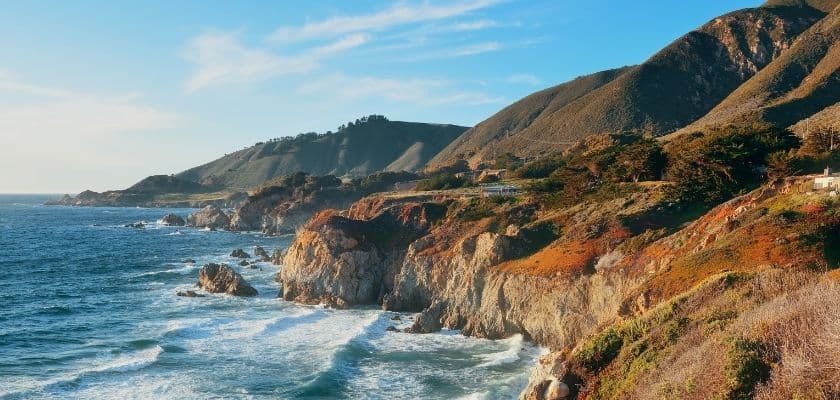
The landscape shifts a bit at Elkhorn Slough Reserve, just a short drive from Carmel Valley. The National Estuarine Research Reserve sits a few miles east of Moss Landing. It protects one of California's largest coastal salt marshes — home to birds, plants, marine mammals, and fish. Quiet paths along the water make it easy to spend an afternoon watching wildlife move through the marsh.
The reserve stands among thirty National Estuarine Research Reserves established nationwide for stewardship, research, and education. NOAA administers the site, and the California Department of Fish and Wildlife owns and manages it. The Elkhorn Slough Foundation supports both through an ongoing partnership.
Carmel River State Beach
Back toward the coast, Carmel River State Beach features a lagoon where the river meets the Pacific Ocean. Waterfowl and songbirds gather along its edges. The mile-long beach offers a view of the Monterey Bay National Marine Sanctuary just beyond the sand.
Monastery Beach, also called San Jose Creek Beach, sits within the park and attracts scuba divers year-round. Swimming, wading, or walking near the sanctuary can turn dangerous here. Caution matters most along the steeper stretches of shoreline.
Laguna Seca Recreation Area
Further inland, Laguna Seca Recreation Area appeals most to mountain bikers. It offers access to challenging trails on the former Fort Ord military base. Winter months bring favorable conditions for cycling here.
During the Sea Otter Classic, visitors can join off-road tours of Fort Ord. Others compete in mountain bike races starting right at Laguna Seca. The Bureau of Land Management maintains a map covering Fort Ord's eighty-three miles of trails.
Overnight guests can pitch a tent or park an RV within a short walk of the racetrack. That keeps campers close to the action during racing events. RV travelers can choose the Chaparral or Can-Am Circle Campgrounds, both offering level, paved sites with water and electricity.
The Grand Prix campground stays open from April through October, with dirt pad sites for tents and RVs alike. Every campground includes bathrooms, showers, picnic tables, and fire pits for evenings spent outdoors.
Toro Park
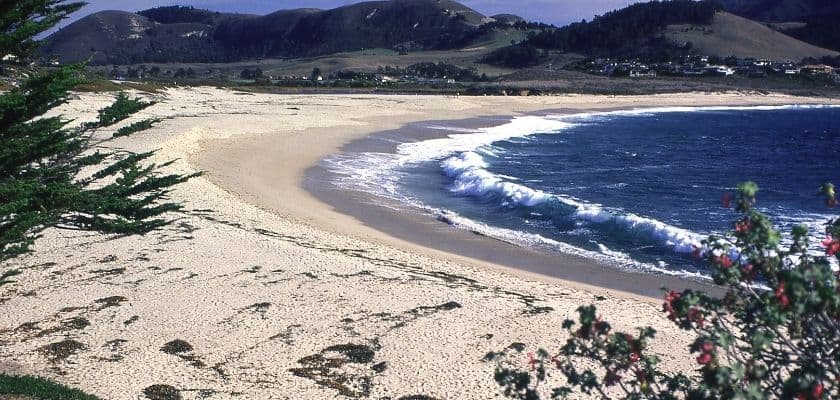
Just down the road, Toro County Park spreads across 4,756 acres between Salinas and Monterey. Opened to the public in 1971, the park now welcomes thousands of visitors each year. Deer, turkey, wild pig, and coyotes call this landscape home.
Every now and then, a mountain lion or golden eagle passes through, too. Over 20 miles of Monterey hiking trails cross the park, many of which are suited for mountain bikes as well as hikers.
Beyond the trails, Toro Park offers a large open turf area, barbecue spots, and playgrounds. Horseshoe pits and a volleyball court round out the offerings for groups who want to hang around after their walk.
Coming Home to Old Monterey Inn
A day spent exploring Monterey hiking trails deserves a beautiful place to rest afterward. Old Monterey Inn welcomes you home to a romantic retreat inside a historic English Tudor mansion. Carved woodwork, copper detailing, and stained glass fill the space throughout.
Every room includes a private fireplace and a cozy sitting area, small comforts after a hike. Down duvets, soft robes, and thick towels wait for unwinding after a day outdoors.
Current magazines and perfumed bath salts round out each room, ready for the quiet hours after a long walk outside. Book your stay at Old Monterey Inn and let fall's quieter trails lead you home to something just as memorable.
Photo Credit: © Leo Alvarez via canva.com, © rabbit75_cav via canva.com, © Robert_Ford via canva.com